For sale in Australia perennial vegetables, heirloom vegetable seeds, edible herbs, organic berry plants, and a few non-edible plants and things.
Maintaining my for sale page wasn't working for me lately, updating it was causing confusion, so I am tying something different. Each month I will update the list of what I have for sale that month.
Photographs, binomial names, and descriptions of plants, and notes on how I grow them, can be found lower on this page.
For Sale: September 2025
Bare rooted plants $5 each (unless otherwise stated):
Skirret offsets
Everlasting onions
Babington leek (very low numbers)
Hokowase strawberry
Pineberry strawberry
Atilla alpine strawberry
Jekkas thyme
Spearmint
100 yr old mint
Willow herb
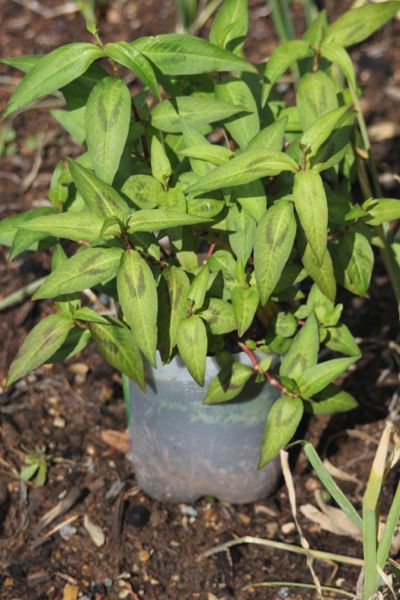
Vietnamese fish mint
Vietnamese coriander
Variegated water parsley
Green water parsley (more vigorous version of the variegated one)
Purple asparagus (small crowns)
Asparagus 'Precoce D'Argenteuil (small crowns)
Water cress
Sweet violet
Brahmi/water hyssop (Bacopa monnieri)
Tiger nut/chufas (Cyperus esculentus) $5 for 5 tubers
Jerusalem artichoke $3 each
Duck potato $3 each
Chinese water chestnuts $3 (only a few this year)
Spider plant (variegated, green, or reverse variegated) $3 each
Azolla ($3 per scoop)
Ancient cultures:
Milk kefir grains $5
Kombucha $5
Vegetable Seeds: $4 packet
Immali corn
Giant heirloom tomato mix
Woolly Kate tomato
Superior coriander
Giant parsley
Purple hot mustard
Purple asparagus
Non edible things:
String of pearls plant $5
String of pearls cuttings $2
Candle mold (skep or owl) $10 each
Postage Prices:
$12 for plants etc, or
$3.50 if only buying seeds.
To order anything from the above list:
Please send me an email saying what plants/seeds you would like and I will reply with prices/payment methods. My email address will need to remove the the spaces, put @ instead of the word 'at' and . in place of the word 'dot':
damien_beaumont at yahoo dot com dot au
 |
| Immali corn |
This list is only valid for September 2025. After this date I will have another blog post with the plants and seeds that are for sale that month.
___________________________________________________________________________________________
Below are short descriptions, binomial names, some pictures, and links to growing notes for some of the heirloom vegetable seeds, berry plants, and perennial vegetable plants, and other things I sometimes sell.
The list above is what I have for sale this month. If you see a plant listed below that is not in the list above, then I don't currently have them for sale. I don't currently have all the plants listed below for sale.
For a list of vegetable days to harvest from planting seed please click here.
For notes on how to grow perennial vegetables please visit here.
I post plants on Monday or Tuesday after payment has cleared so they are not stuck in the post office over the weekend.
While I grow everything organically, we are not certified organic and never will be (I do not use any of the organically certified poisons and fertilizers that most organic farms use and do not want to be associated with the use of such so-called “organic” poisons). No plants to Tasmania or Western Australia at this stage due to domestic quarantine. I can post seeds outside of Australia but only if you are convinced that they are allowed through your country's quarantine. All prices are in Australian dollars and do not include postage.
Organic Perennial Vegetables – plant once, harvest forever!
Yacon crowns (Smallanthus sonchifolius formerly Polymnia sonchifolia) is a sweet and crunchy root vegetable, I have never met a child who dislikes yacon! They are a high source of inulin (not insulin), they are sweet and crunchy yet still fine to be eaten by diabetics, great fodder for poultry, pigs and ruminants, and a great permaculture plant.  Everlasting Onion (Allium cepa perutile) grows like a spring onion but does not often produce viable seed, reproduces quickly by splitting in half. Will also grow a small bulb similar to a French shallot in some climates. This is possibly one of the most productive and easiest to grow perennial vegetables. One of the best permaculture vegetables. Very easy to grow, you will never have to buy spring onions or shallots ever again!
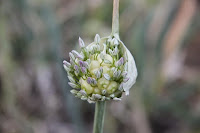 Babington's Leek (Allium ampeloprasum var. babingtonii) This is an extremely rare and fun perennial vegetable to grow. Similar to a tree onion it grows many bulbils on the flower stalk instead of producing seed. It is used in the same way and has the same taste as a regular leek. This will prove to be a talking point in any garden and a great heirloom to pass on to your kids. Extremely hardy and productive but for some reason it is so rare that it is almost extinct. Please read my Babington's leek growing notes prior to ordering
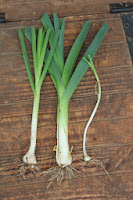 Perennial Leek (Allium ampeloprasum) rare and hard to find but one of the best plants for home growers. These grow and taste like regular leek but instead of growing viable seed they reproduce by sending up numerous babies from their base. Much faster and easier than growing from seed. If hot and dry over summer they can die down to bulbs. These are hardy once established and incredibly productive
 Giant Russian Garlic (botanically this is a type of leek and not a true garlic Allium amperoprasum) these easy to grow plants are a mild tasting garlic and grow HUGE. Each individual clove can be as large as a ping pong ball and a bulb made of 5 or so individual cloves can be larger than your fist. They grow well where other garlic will not survive. They grow a little different to regular garlic Jerusalem Artichoke (Helianthus tuberosus) a massively productive low maintenance vegetable that is high in inulin. Can be eaten raw or cooked and is used in any way that you would use a potato. Very productive, one small tuber fragment can produce well over 1kg! When grown in good soil and watered occasionally each plant will produce over 3kg of tubers. Great food for people, pigs, poultry, sheep, guinea pigs etc.
 QLD arrowroot (Canna edulis) edible canna, looks similar to a lush banana plant but grows edible tubers underground. Can be eaten raw, used in many ways that potato is used, or can be used to make arrowroot starch. Great mulch, excellent high protein forage for poultry, sheep, cattle, pigs, guinea pigs etc. Frost kills the tops off but the plant will survive and be ready to grow again in spring. Very beautiful and productive.
Garlic chives (Allium tuberosum) these are very hardy plants that can be grown from seed as well as from dividing existing plants. Both the leaves and the flowers are useful in cooking. Planted near fruit tree saplings it is said to deter rabbits and some insect pests. Flowers attract bees and other beneficial insects  Onion Chives (Allium schoenoprasum)
the smallest species of edible onions. Great perennial vegetable, looks amazing, attracts beneficial insects, repels some pests, has a mild onion taste that does not overpower meas. Most people eat the green leaves and let the bulbs continue to grow. They flower each year but many people remove flowers to help the plants stay strong.
 Tree onion, aka topsetting onions, aka Egyptian walking onion (Allium × proliferum, formerly Allium cepa var proliferum) One of the very few hybrids that I grow, it is a stable hybrid dating back to the 1850s that is worth having around. Bizarre looking plant grows a golf ball sized onion that divides underground then grows tiny onions instead of seed on the flower stalk. Sometimes a flower stalk will have a tiny onion with its own flower stalk with tiny onions on that and you end up with three or four levels on the one plant. These flower stalks bend under the weight of all the onions allowing the plant to “walk”. These were very common once and are now rare and hard to find

 Chinese Artichoke (Stachys affinis) extremely rare and sought after perennial root vegetable. Tubers form into a fascinating spiral sea shell shape and are a shiny pearl colour. Crunchy and delicately sweet, eaten raw or cooked. Eat the large tubers and replant smaller ones. Best grown in containers as it may spread aggressively. For sale normally late winter but occasionally other times too
 Duck Potato (Saggitaria hybrid) also known as arrowhead, wapato, swan potato and a host of other names. It is an attractive edible aquatic perennial vegetable similar to water chestnuts but better suited to cooler climates. This particular one does not flower which means that is poses no weed threat
Skirret (
Sium sisarum) very rare, endangered, and ancient perennial root vegetable which is very simple to grow. Sweet roots taste like a delicious sweet potato or parsnip but far better. Used in any dish that calls for potato, carrot or parsnip. The celery tasting leaves can be added to salads and the seeds are edible but it is the sweet roots that are the main crop here. This is the most delicious roasted vegetable ever. Flowers attract many beneficial insects to your garden
Horseradish (
Armoracia rusticana) Perennial vegetable mostly grown for its long roots. The leaves are also edible and spicy and good if eaten when young. Plant in a pot as it can be a little invasive if planted in the garden. Flowers under the right conditions and attracts beneficial insects.
Duckweed (
Lemna sp most likely
Lemna minor) is a free floating plant, it is one of the smallest flowering plants in the world. I have grown this continuously and moved it with me for the past 20 or so years and have never actually seen the flowers. It grows very fast and reproduces mostly by division. Can be used to efficiently clean water, as animal food, in aquariums, and can be eaten raw by people if you are
certain there are no water snails. It has a mild taste, good levels of many important nutrients and is high in protein
Azolla (most likely
Azolla pinnata) also known as mosquito fern, fairy moss, and a few other cute names, is a free floating water fern. It sequesters nitrogen from the atmosphere and can be used as living mulch, biofertiliser, animal feed, human food, water cleanser,
mosquito control etc. This has high percentage of protein and is readily eaten by poultry and fish. It grows fast and reproduces by division or spores and doubles every day under ideal conditions
Saffron (
Crocus sativus) corms. Saffron is a spice rather than a vegetable, it is often claimed to be the world's most expensive spice. Saffron is really simple to grow and organic home grown saffron is heavenly. I won't guarantee that they will flower this year, but the corms are flowering size and this size always flowers for me. Corms will divide each year giving you a larger harvest each year. Plant corms far deeper than you think, these little corms need to be 15cm to 20cm deep to flower well! Frosts in winter and a hot summer induce flowering
Asparagus '
unnamed green', this is a good producer of tall green spears. This is a hardy variety that is a real survivor. This year they were left to fend for themselves as I had no water and they still grew well.
Asparagus
'Precoce D'Argenteuil' (also called 'Early Argenteuil'), the history of this fast growing gourmet heirloom variety is rather obscure and vague, some sources state it was developed in the 1700’s, others claim it was developed as late as 1885. Produces fat flavoursome spears that are green tipped with pink to purple. This is likely to be the best tasting green variety you will ever eat, I have heard it described as ‘delicacy incarnate’.
Asparagus
'Connover's Colossal' is an heirloom variety released in the 1860’s or sometime before that. Known for producing consistently large crops of very thick green spears. This variety was produced commercially until replaced by 'Mary Washington'. Produces fat spears and has one of the largest crops of any heirloom variety.
Asparagus
'Mary Washington' was released around 1919 and were the standard for both commercial and home grown asparagus for many years. A reliable producer of numerous high quality spears. In my experience they don’t produce spears as thick or as tasty as other heirloom varieties, but they are usually thicker, longer, and better tasting than modern hybrids.
Asparagus
'Purple Passion' was originally bred in California and is the progeny of Violeta d’ Albinga. They are high in antioxidants and are said to have a fruity flavour, low fiber, and to be 20% higher in sugars. To me they seem sweeter than green varieties, and they do produce delightful fat spears that are tender and delicate, but can have a lower yield.
Spider plant (
Chlorophytum comosum) is commonly grown as an ornamental, but the leave and roots are both edible. This is the hardy variegated form with white along the mid line of the leaf and green on the outside. Tolerates low light, poor soil, and dry conditions. Grows white flowers and cute little baby plants on long stolons that can dangle from the mother plant and look very attractive. Perfect for hanging baskets and a great office plant. Spider plant survives a lot of neglect but should be protected from frost. The price is low because I am selling
small bare rooted plants
Tiger nut (Cyperus esculentus), also called chufa, or earth almond. Grows over the warmer months, then dies down to edible tubers over winter. Productivity increases significantly with increasing water. Can be eaten raw, dried, cooked, turned into 'milk', or used as fishing bait. In my garden it does not flower or set seed, I think it is best grown in pots as it is so productive it has weed potential
Organic Heirloom Vegetable Seeds - most are not perennial but it is certainly worth growing these. Immali Corn (Zea mays) a beautiful and delicious coloured sweet corn. I have created this amazing variety myself, the colours are not changed during cooking (we ate the cob in the photo). Produces 2 to 6 cobs of coloured sweet corn per plant. This is high in anthocyanin, antioxidants and vitamins. Why grow yellow corn when this is prettier, tastier, and healthier for you! Corn will cross pollinate with other varieties of corn so you may have some yellow seeds if someone is growing yellow corn near by Giant Heirloom Tomatoes (Lycopersicon esculentum) a mix of seeds containing both "Julia Child" and "Giant Siberian Pink" (known in Russian as: Sibirskiy Velikan Rozovyi). They are both delicious and large tomatoes. 'Julia Child' grows regular leaf and 'Giant Siberian Pink' grows potato leaf so you can tell from a young age which seedlings are which. These are open pollinated varieties that are both indeterminate.
Angora 82 tomato small plant which grows to about 1 foot tall, may or may not be dwarf, very productive with about 20 flowers per truss. Small, red, round tomatoes which taste really nice. This plant gave a large yield very early, has regular leaf and appeared to be determinate but kept putting out occasional new branches with flowers until the frosts.
Igloo tomato, these are sturdy, stocky, short plants that are the most productive determinate tomato I have ever grown! Fruit weighs about 45g each, yielded over 10.8kg in 2018. They are are very early cropping. This was the first tomato that I ever bred and, although I am biased, I am rather fond of it. Extremely large yields of round red golf ball sized tomatoes over a surprisingly long season for a determinate plant.
Little Oak Like tomato small determinate tomato that produces red ping pong ball size tomatoes. Very rich tomato taste. Looks much like Igloo but slightly less stocky, a bit tastier and less productive. Very early cropper great for areas with a short growing season.
Micro Tom tomato (
Lycopersicon esculentum) the smallest variety of tomato in the world! I have never had one grow over 10cm tall. Being so small they can easily be grown in a cup of soil, easy for kids to grow, easy for elderly people who no longer have a garden, easy to grow in apartments if you have a sunny window, and great for school experiments due to its short life cycle
 Lacy Lady pea (Pisum sativum) white flowers, green pods, green peas, lots of tendrils. These peas require little support, they are sweet, tasty and very productive. A rare heirloom variety that I do not think is for sale any other place and is very close to extinction in Australia. Peas will cross with other varieties of pea, snap pea, dry pea and snow pea so be a little careful if saving seed
 Golden Podded snow pea (Pisum sativum) a rare heirloom dating back to before the 1860s. They have purple flowers, yellow pods, spotted seeds. These peas grow tall and require support, they are beautiful and very productive. Peas will cross with other varieties of pea, snap pea, dry pea and snow pea so be a little careful if saving seed Yellow Pear Tomato (Lycopersicon lycopersicum) a sweet, yellow, pear shaped cherry tomato. This is an old and loved heirloom variety dating back to the 1700’s. It was the first yellow tomato I ever grew and is by far my favourite. It can grow to be a large plant if given support, it is very productive if treated well. Beautiful, delicious, sweet and easy to grow, kids love the look and taste of the fruit. Heirloom tomato can and will cross with other varieties of heirloom tomato so be a little careful if saving seed
 Reisetomate Tomato (Lycopersicon lycopersicum) extremely rare and ancient Peruvian heirloom that likely predates the Columbian conquest of South America. Bizarre, unique red fruit which can be pulled apart and eaten like the segments of an orange. It has a distinctive, deep and intense flavour that I love but may not be sweet enough for some kids. This is easily my favourite red tomato variety. This tomato will cross with other varieties of tomato so take care if saving seed
 Tomatillo "purple and green" (Physalis ixocarpa) a rare and beautiful heirloom tomatillo with slightly sweeter fruit than regular green tomatillo. Some plants will develop green fruit, others will be purple while others will have a mix of both and all of them will make a nice looking salsa. Grows a thin papery husk which helps prevent fruit fly attack. 'Purple and green' tomatillo is very productive and prolific. Grow more than one plant to increase fruit set, I grow several plants in the one hole to save space. Tomatillo will cross with other varieties of tomatillo so be careful if saving seed
Garlic Chives (Allium tuberosum) easy to grow from seed, perennial plants also divides to reproduce. The flat leaves impart a nice garlic flavour in meals. The flowers are very attractive to bees and other insect pollinators. Easy to save seed from these as it will only cross with other varieties of garlic chives (if any other varieties actually exist) Yin Yang bean (
Phaseolus vulgaris) is a short bean plant that can be used as a green bean if picked early but is mostly used as a dry bean for soup etc. They are one of the most beautiful looking beans, not to be confused with 'frost beans' which are a different variety. Limited numbers
Crimson Flowered Broad Bean (Vica faba) dating back to at least 1778 this rare heirloom broad bean is covered in deliciously scented red flowers. I am told it tastes better than other varieties. Broad beans will cross pollinate with other varieties of broad bean so take care if saving seed. Skirret (
Sium sisarum) very rare, endangered and ancient perennial root crop which is simple to grow. Sweet roots taste like a delicious sweet potato or parsnip. Used in any dish that calls for potato, carrot or parsnip. Leaves can be added to salads but it is the sweet roots that are the main crop here. Flowers attract many beneficial insects to your garden. Unlike many other perennial vegetables, seed grown plants will produce a crop, divide numerously, flower, and set seed the first year Packets of tiny seeds
Kaempw Melon Rilon pumpkins (most likely
Cucurbita maxima) this heirloom variety produces multiple large pumpkins. They are hardy, extremely productive, versatile, easy to skin, and utterly delicious. Soft orange flesh is great for soup, roasts, scones, slice etc. They set down roots at every node and ripen fast for a large pumpkin.
This variety needs dedicated seed savers. Pumpkins will cross pollinate with other pumpkins of the same species so great care must be taken is saving seed
Hangjiao #5 Space Chilli (
Capsicum annuum) it is fun to eat “space vegetables”, but these are more than just an interesting novelty. Starting in the 1980’s the Chinese government has sent hundreds of kilograms of seeds, consisting of millions upon millions of individual seeds, into space. The seeds that returned had various space mutations. Out of the millions of millions of mutated seeds that have returned only 10 chillies have been deemed worthy and kept, and this is one of those! Space chilli are very productive and undemanding, producing large attractive ~20cm pods that are evenly red on reasonably compact plants. They are sweet and crunchy and not overly hot so can be enjoyed by all, often described as having apple peel sweetness or tasting like juicy pea pods. Chillies will cross with other chillies so take care if seed saving
Trinidad Scorpion Butch T (
Capsicum chinese) were the Guinness world record hottest chilli rated with over 1.47 million scoville heat units. To put this in perspective, pepper spray used by correctional facilities is rated 0.5 million to 2 million scoville heat units. These chillies are incapacitatingly hot, so don’t feed them to children or pets! Most super hot chillies have extreme heat and lack any real taste. Trinidad Scorpion Butch T are the exception to this rule, they have amazing taste and smell divine, they also burn hotter than you could imagine. I normally cut a tiny piece, perhaps only 4 mm square, into a bowl of stew and that is enough to heat the entire meal to my upper heat limit. If you are a foodie you need to try these as they taste fruity like nothing you have ever eaten before. Forget keeping up with the Joneses, let them try to keep up with you! Chillies will cross with other chillies so take care if seed saving
Superior Coriander (
Coriandrum sativum) mixed seeds of around a dozen varieties including 'slow bolt', 'long standing', and 'Bengal Giant'. This is an excellent producer of both leaves and seeds. There has been deliberate crossing of varieties so you will have great genetic diversity and be able to breed a superior variety that performs well in
your garden. Cull plants that flower early and only save seed from later flowering plants to quickly and easily develop your own variety that is is slow to flower and produces abundant leaves
Potato Onion (
Allium cepa var. aggregatum) true seeds. These are
seeds of potato onions, not plants/bulbs. These have been open pollinated and the seed parent produced large bulbs that store well and divide nicely. Every seedling from this mix will be unique, they will produce various colours and sizes. If you grow one you like then allow the bulb to divide and you have your own unique variety that you can name!
Tree onion (
Allium × proliferum) true seeds. These are
seeds of tree onions, not the bulbils/plants. These have been open pollinated and will produce seedlings with high levels of genetic diversity. Some will produce topsets like the parent, some won't, but every seedling will be unique. These should mostly be perennial so once you grow one you like you can divide it and keep growing it forever.
 Cape Gooseberries
(
Physalis peruviana) is also known as Incaberry, goldenberry, pichuberry, and a few other common names. Highly productive plants producing over one kilogram of small ~2g fruits that are covered with a protective paper husk. The fruits fall from the plant when ripe. For me they take a little over 80 days from planting the seed until eating perfectly ripe berries
 Hillbilly
tomato has firm flesh that is reasonably dry and somehow smells fruity. Produces a medium yield of glossy fruit over the season, it has regular leaf and is indeterminate.
 Cherokee Purple
grows large tomatoes, some round, some a little odd shaped. People often say this tomato has a smoky taste or taste of good red wine. A little salt adds more depth to their taste - Unbelievable! This plant produces a medium to large yield of large fruit, it has regular leaf and is indeterminate.
 Japanese Black Trifle
(spelled various ways, originally called "Yaponskiy Trufel Chernyi" or in Russian "Японский трюфель черный"). This old Russian variety has a deep, rich, sweet, tomato taste that is difficult to describe but easy to remember. One of my all time favourite tomatoes. Japanese Black Trifele tomato has potato leaf and is indeterminate.
 Helsing Junction Blues
are a great high anthocyanin cherry tomatoes. These taste sweet and are very productive. The unripe fruit is bright purple, only goes blue/black where the sun hits and stays red when shaded by a leaf so you can make patterns using stencils. Ripe fruit is red with black where it used to be purple. Plants have regular leaf and are indeterminate.
Tommy Toe tomatoes (I didn't take a photo) grow into a large plant with high yields of small tomatoes. An excellent tomato for back yard growing due to their rich tomato taste, abundant yield, and pretty red cherry tomatoes. One of the more common varieties I grow. Plants have regular leaf and are indeterminate.

tomatoes are a large plant, high yields of small red cherry tomatoes. They have a surprisingly deep rich taste for such tiny fruit. It is said to be originally found on Galapagos Islands where they were eaten and dispersed by tortoises. Plants have regular leaf and are indeterminate.
Giant Parsley (
Petroselinum crispum) is an absolutely massive strain of flat leaf parsley that is very simple to grow. Leaves can be used as vegetable or herb, petioles can be used in place of celery, roots are delicious roasted. Contains wide genetics and will produce a diverse population containing some stunningly massive plants. If allowed to flower it will attract many beneficial insects and pollinators, and will gladly self seed.
Dandelion (
Taraxacum officinale) produces incredibly large plants from improved parent stock. Dandelion leaves are more nutritious than most vegetables, the thick long roots can be roasted or turned into delicious coffee substitute, flowers are edible. Poultry and livestock love to eat dandelions. Deep tap roots mine minerals from deep in the soil, leaves can be used as compost activators. They are great companion plants for most fruits and vegetables. The flowers are pretty and kids love to blow the seed heads.
Papalo (
Porophyllum sp) also known as 'butterfly leaf', 'Mexican Coriander', and 'Papaloquelite'. Papalo is a rare edible herb that is simple to grow over summer and has a unique and intense smell/taste. Said to taste like a mix of coriander, cucumber, arugula and lime, but I think the smell is indescribable and intense. The leaves are round and flutter in the wind, they have easy to see oil glands. Papalo is my favourite herb. Germination rates are often low and I am told that leaving the fluff on the seed increases germination. For this reason I don't clean the seed, but sell one flower of seeds, I am not sure how many are in there.
Quillquiña (
Porophyllum sp) is an ancient and virtually unheard of herb in Australia. It is similar in smell and taste to papalo, but has thinner leaves. This is simple to grow, loves the heat of summer, and will not bolt to seed. It is used in many dishes instead of coriander leaf, yet to me has a different smell. Much like papalo I am told that leaving the fluff attached to the seeds will increase germination rates. For this reason I don't clean the seed, but sell one flower of seeds, I am not sure how many are in there.
Amaranthus caudatus has many common names such as love-lies-bleeding, pendant amaranth, tassel flower, velvet flower, foxtail amaranth, and quilete. This is often grown as an ornamental but the leaves can be eaten as a vegetable and the seeds can be eaten as a grain. Apparently leaves have two to three times the nutritional value of most leaf vegetables. High in protein, high in vitamins, mild taste, easy to grow, has low water needs, few/no pests or diseases, and drastically beautiful - what is not to love! There is a little chaff in with my seeds but that doesn't alter the high rate of germination.
Rhubarb "Champagne Giant" (
Rheum x hybridum) is a large and extremely delicious rhubarb variety. The long red/green stems have the finest flavour of any rhubarb. Very vigorous, most years divides into numerous crowns. Seed grown rhubarb never grows true to type and demonstrates some genetic variation. You will not grow "Champagne Giant" rhubarb from seed - you will grow a mix of delicious giant rhubarb plants that are all superior to most varieties you have ever eaten.
Wasabi salad herb (
Diplotaxis erucoides) is a leaf vegetable/herb that is far simpler to grow than true wasabi, tastes similar to wasabi, gives a similar nose tingling feeling as wasabi, and lacks the extreme heat of true wasabi. Great in salads and on sandwiches. It happily self seeds in my garden, sometimes pops up in my lawn, and is low/no maintenance. It is excellent bee forage which can form a self sustaining patch that flowers all year
Organically grown Berry PlantsJust like the perennial vegetables, I sell organic berry plants bare rooted.
Atilla Alpine Strawberry (
Fragaria vesca) is a red fruited wild strawberry that is day length neutral. It is an extremely rare alpine strawberry that produces runners and can form an edible ground cover. The strawberries are much smaller than supermarket strawberries, but they taste meltingly delicious and they smell truly amazing. If you have never eaten a wild strawberry you don't know what you are missing. Alpine strawberries are also known as gourmet strawberries or fraise des bois.
Pineberry strawberry produces small white berries with red seeds. They get a pinkish blush when ripe and taste a bit like pineapple. These only produce female plants, so need another strawberry to pollinate them and they
never grow true from seed. It crops twice per year in my garden. Throws a lot of runners $5 per plant
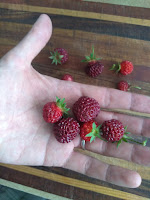
Virginian strawberry (Fragaria virginiana) are a species of wild strawberries from North America. They taste similar to garden strawberries you can buy from the markets but with far more intense and sweet flavour. These have been selectively bred for larger sized berries as wild plants produce tiny berries. Berries have deeply set seeds. Grows lots of runners, flowers twice per year in my garden. Very hardy plants $5 per plant
Chilean guava (
Ugni molinae) are an evergreen shrub that produces delightful pea sized berries from their second year onwards. They would work well in an ornamental garden as they are pretty, but the sweet, intensely fragrant berries are the real reason to grow this plant. Seems to prefer part shade.
Thornless Primocane Red Raspberries (
Rubus idaeus) This productive variety can be referred to as being
autumn fruiting or
everbearing. It can either produce one crop in autumn, or two crops: one crop in summer and a second crop in autumn, depending on how you want to prune. Being thornless makes harvest simple, even for the kids! Like most raspberry varieties this will spread underground and provide you with extra plants each year. Thornless raspberries that can produce two delicious crops each year are ideal for backyard gardeners. If you have never tasted fresh raspberries off your own plants then you don't know what you have been missing (berries from the market are not the same).
Golden raspberries are a yellow fruited form of red raspberry (
Rubus idaeus). Yellow raspberries taste sweeter and more floral than red varieties. They are extremely rare in Australia at the moment and we have very few varieties. Golden raspberries are a thorny plant that is best described as being floricane or summer fruiting, it only flowers and fruits on last year’s growth. They are self-fertile but if they are pollinated by a red raspberry or a blackberry this will not change the colour or the taste of the fruit. Like most varieties of raspberries they spread by underground runners.
 Yellow Wonder
alpine strawberry (
Fragaria vesca) is a daylength neutral yellow or white fruited wild strawberry. They fruit here most of the year. Like most alpine strawberries they do not produce many runners. Yellow wonder has an amazing taste that is a little like pineapple. Alpine strawberries are also known as gourmet strawberries or fraise des bois.
 Regina
alpine strawberry (
Fragaria vesca) is a day length neutral wild strawberry. They produce intensely sweet and richly flavoured strawberries that are smaller than supermarket strawberries but taste oh so much better. Alpine strawberries are also known as gourmet strawberries or fraise des bois.
Youngberry (
Rubus sp) are a complex hybrid between raspberry, blackberry, and dewberry that are delicious. Very vigorous plants. This youngberry was meant to be thornless but has some small thorns. Similar to boysenberry but is more productive and berries are smaller, darker, and more glossy. They flower/fruit on floricanes.
Organic Culinary Herb PlantsUnless started all herbs will have been grown from cuttings so that I can assure the quality of the plants, some herbs grow true to type from seed whereas others tend to be a little variable. Most herbs (other than root cuttings, which are just a segment of root) are sold bare rooted, or with minimal soil on the roots to lower weight and reduce the postage cost. Most will be wrapped in damp newspaper and put into a plastic zip lock bag. Some may be dormant over winter and will not put on a lot of growth until Spring. I do not have large quantities of any herbs, if you want a larger quantity please ask me and I will let you know if I can help out.
Lemon Balm (Melissa officinalis) this useful herb is said to attract bees to the garden and has a delicate lemon flavour which gives it a wide culinary potential. Useful in cooking to give a lemon taste and often used for making a calming tea. It is said not to grow runners, but mine does. Grown organically from cuttings as seeds grown plants tend to give varied and often undesirable traits. Lime Balm (Melissa officinalis "lime") a rare lime scented version of lemon balm. It is said to attract bees to the garden and is meant to have a host of medicinal properties. Useful in cooking to give a lime taste and also used for making a calming tea. Kids love this lime smelling plant. Confine it in a pot or it will take over your garden. Grown organically from cuttings as seeds grown plants tend to give varied and often undesirable traits.  Pineapple Sage
(
Salvia elegans) amazing pineapple scented leaves and red flowers. I grow it in large pots as well as in the vegetable garden to repel pests. This variety is the strongest scented and most vigorous pineapple sage I have seen. Children love pineapple sage. Useful in herbal tea, salads, drinks, and is delicious when cooked with poultry or meat.
Common Spear Mint (Mentha spicata) this fragrant, strong smelling plant is one of the easiest and most rewarding herbs to grow. Great plant to get children introduced to gardening and connected to the land. Used to make mint sauce, garnish and in a host of different ways while cooking. When I was a child it was grown in every garden, starting to become difficult to find for some reason. Grown organically from cuttings as seeds can be variable and often give undesirable traits. Grow in a pot to prevent it from taking over your garden 
(
Houttuynia cordata) also known as dokudami, 'poison blocking plant', lizard tail, heartleaf, fishwort, bishop's weed, and a bunch of other names. Commonly used in Vietnamese cooking, herbal tea, as well as a host of different traditional medicines. It tastes like fish sauce. I am selling small plants of the vigorous green form (the variegated version is known as chameleon plant and is prettier but less vigorous). This plant can become invasive if planted in the garden so please restrict it to growing in a pot. This plant has nice white flowers but does not appear to set viable seed
Lemon Thyme (
Thymus citriodorus) first described in 1811, there is controversy over if this is a species or a hybrid of several species but recent DNA analysis indicates it is a separate species. Lovely lemon scent, goes well with chicken or fish dishes. I have been growing this plant for at least 10 years, taking cuttings every few years will refresh it and prevent it getting too woody. The more you pick the leaves the better it grows
Variegated Lemon Thyme (Thymus citriodorus) similar to lemon thyme in every way but with variegated foliage. It grows the occasional branch that is not variegated, please remove this to prevent the plant from reverting to all green. Needs full sun or it loses variegation. Like many other herbs regular harvests prevent it becoming woody and unproductive Orange Peel Thyme (often called Thymus nitidus but possibly a hybrid) hardy low growing herb that smells like a mix of spices. Useful as a ground cover as it produces a low and dense mat. Small hairy leaves can be used in salads, fish, chicken, soups etc
Jekka's thyme (Thymus sp) is the best culinary thyme. It's an extremely vigorous growing edible thyme with relatively long green leaves. This has a strong thyme smell and taste. It is the most vigorous thyme I grow. Taking cuttings every few years will refresh it and provide you with more plants. Tabor thyme (Thymus sp) has relatively large rounded leaves. I really like this plant but it is nowhere near as vigorous as Jekka's thyme. It has a strong thyme smell and taste.

Lavender mint (Mentha piperita 'Lavendula') this edible mint smells like lavender! I use it in herbal tea and my kids love it, it also goes well in cold summer drinks, and I am told it goes well with chicken and other white meats where it imparts a floral aroma. Lilac flowers attract bees and butterflies. Large almost fluffy leaves not only smell great they also look and feel nice. Lavender mint is my second favourite variety of mint, and it is the most vigorous in growth so please grow it in a pot to prevent it taking over your garden
Willow herb (Epilobium parviflorum). Other common names include 'small flowered willow herb', 'hoary willowherb' and 'small flowered hairy willow herb'. This is a perennial edible herb, the leaves can be added to a salad and eaten raw or cooked, or dried and used in herbal teas. This herb has been used as medicine to treat prostate and kidney issues and to reduce tumor growth, there are a few studies indicating it could be effective in treating these ailments. This plant loves water.
Carnivorous PlantsI know this page is mostly for perennial vegetables and other organically grown edibles, but please don't get confused and start to eat your carnivorous plants! At this stage I have a very limited selection of carnivorous plants, but this should expand in spring when I divide my plants. I can post them bare rooted but I may be able to sell in pots if picked up. I am also experimenting with posting leaf cuttings but this won't be ready for a while as I am not yet sure on the best way to do this.
Venus Flytrap (
Dionaea muscipula) are the most famous and one of the most interesting of carnivorous plants. They do best in areas
with frosts but can be grown in frost free climates with care. Never shut the traps with your finger and don't feed them unless you really know what you are doing. At this stage I only have the
typical form for sale but in the future I hope to be able to also offer a few named varieties. I will update the photo when the plants are ready for sale
Cape Sundew (
Drosera capensis) possibly the easiest of all carnivorous plants to grow. They were the first carnivorous plants I ever grew successfully as a child and from them I learned how to grow carnivorous plants. These catch numerous flies, moths, and other insects. Don't feed them unless you know what you are doing or you may kill the plant. Grow them in peat moss (never soil) in a tray of water, never use fertilisers, and protect from frosts.
Cape Sundew (Drosera capensis) seeds. These carnivorous plants are surprisingly simple to grow from seed but very few places ever list seed for sale. Simply place damp peatmoss in a small pot, keep a tray of water under at all times, and sprinkle the seeds on top. Most seeds germinate in a few weeks, after they grow for a while they can be divided and potted on. I only sell fresh seeds as they don't store well, so I update this when I have some ready. This is a packet of tiny fresh
seeds, the seeds are so small that several could fit on the full stop at the end of this sentence.
Ancient cultures
Milk kefir grains: this is a living, reusable, traditional heirloom starter culture which dates back thousands of years. Save money by making healthy probiotic milk kefir at home. It ends up very similar to a drinking yogurt, but far simpler to make and much more beneficial for your health. My grains have an extremely diverse profile probiotics that is vastly superior to supermarket kefir or starter sachets. They have been growing in A2 milk and multiply well in warmer weather. Milk kefir is extremely simple to make using grains. I can send you instructions and provide advice via email if required. $5 per spoon full
Ornamental - non-edible plants or seeds
String of Pearls plant (Senecio rowleyanus). Very simple to grow and very beautiful. They grow tiny white flowers that smell nice. Grow them somewhere that they can trail over the side of their pot. When you receive the cutting please remove the lower few pearls (leaves), plant the stem in soil and water it well. These are ornamental only, please never eat any part of them Muscari seeds (Muscari armeniacum) also known as grape hyacinth, are a spring flowering bulb that produces sweetly fragrant blue flowers, sometimes blue and white, or even just white. Simple to grow, naturalises well, loved by honey bees, and dies down over summer so is water wise. Simple to grow from seed but won't flower the first year. Seeds are far cheaper than bulbs so you get more plants for your money, but they take longer to flower. Each seed grown plant will be genetically unique but most look similar to their siblings
African Violet 'New Hampshire' is a lovely variety of African Violet. It is compact and very vigorous producing many flowers on long stems, making it a great house plant. New Hampshire is easy to grow for beginners and is a good choice for a gift. It is a reliable producer of large, single flowers, in good numbers, over several months. These will not be sent bare rooted, and will be sent in a pot.
Candle Making
I have seen these candles for sale for up to $13, with $9 each being about average, so buying a mould and making some of your own works out well. If you enjoy it you can get more wax and make more candles, or experiment with fragrances and essential oils etc.
Candle making mould - skepThese produce really cute little beehive candles with bees on them. I use around 40g to 50g of wax. One silicone skep mould can be used to make hundreds of candles, and I can provide simple instructions $10 for the mould
Note: candle not included, you are buying a pink silicone mould to make your own candles
Candle making kit - owl
This mould is easy to use and produces little owl candles with an incredible amount of detail. Candle making is a great project to do with kids on a rainy day. The price is for one owl silicone mould can be used to make hundreds of candles, and I can provide simple instructions $10 for the mould
Note: candle not included, you are buying a pink silicone mould to make your own candles
1 Corinthians 3:6-7
I planted the seed, Apollos watered it, but God has been making it grow. So neither the one who plants nor the one who waters is anything, but only God, who makes things grow.